
What Are Irregular Periods? Causes, Symptoms & Treatments

An irregular periods, also known as an irregular menstrual cycle, occurs when your monthly menstrual cycle deviates from the typical 28-day pattern. While a cycle can normally range from 21 to 35 days, cycles outside this range—or cycles that vary significantly month to month—may be considered irregular.

Understanding the causes and treatments of irregular periods is essential for maintaining reproductive and overall health.

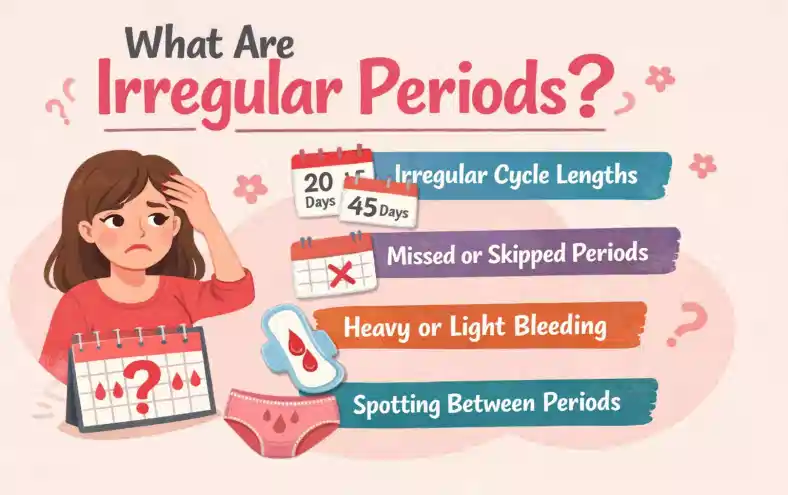
What Are Irregular Periods?

Irregular periods refer to variations in:

  • Cycle length – Some months your period may arrive early or late.
  • Flow intensity – Periods may be unusually light or heavy.
  • Duration – Menstrual bleeding may last longer or shorter than usual.

Common Causes of Irregular Periods

  1. Hormonal Imbalances
    Hormones like estrogen and progesterone regulate the menstrual cycle. Imbalances can cause cycles to be irregular.
  2. Polycystic Ovary Syndrome (PCOS)
    A common condition that disrupts ovulation, often leading to irregular periods.
  3. Stress and Lifestyle Factors
    High stress, excessive exercise, or sudden weight changes can impact menstrual cycles.
  4. Thyroid Disorders
    Both hypothyroidism and hyperthyroidism can lead to irregular cycles.
  5. Medications
    Birth control pills, fertility drugs, or other hormonal treatments can affect cycle regularity.
irregular periods

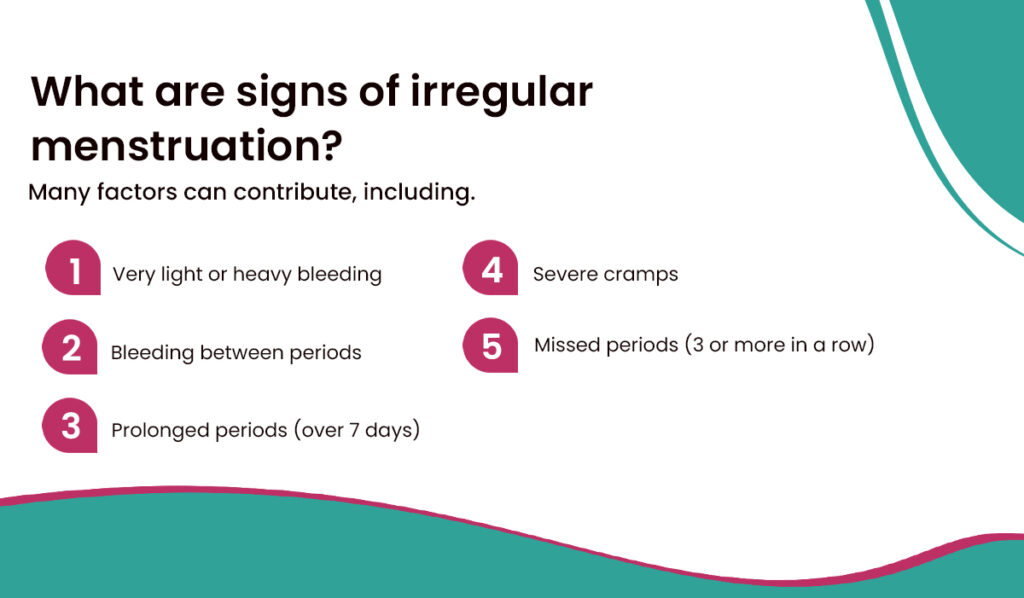
Symptoms of Irregular Periods

  • Missed or delayed periods
  • Spotting between periods
  • Extremely heavy or light menstrual bleeding
  • Severe cramps or abdominal pain
  • Fatigue and mood changes

When to See a Doctor

Consult a healthcare provider if you experience:

  • Cycles shorter than 21 days or longer than 35 days consistently
  • Missed periods for several months
  • Severe pain or excessive bleeding
  • Signs of underlying conditions like PCOS or thyroid problems

Treatment Options

Treatment depends on the underlying cause:

  • Lifestyle Changes: Regular exercise, balanced diet, stress management
  • Medication: Hormonal therapy, birth control pills, or thyroid medications
  • PCOS Management: Weight control, insulin therapy, and ovulation-inducing medications
  • Regular Check-ups: Monitoring cycles and hormone levels

Preventing Irregular Periods

  • Maintain a healthy weight
  • Manage stress effectively
  • Exercise moderately
  • Track your cycles using apps or a calendar
  • Avoid smoking and excessive alcohol

Frequently Asked Questions (FAQ) About Irregular Periods

1. What are irregular periods?
Irregular periods are menstrual cycles that do not follow a consistent pattern. This could mean cycles that are shorter than 21 days, longer than 35 days, skipped months, unusually heavy or light bleeding, or spotting between periods.

2. What causes irregular periods?
Common causes include:

  • Hormonal imbalances (e.g., thyroid disorders, PCOS)
  • Stress and lifestyle factors
  • Sudden weight changes or eating disorders
  • Certain medications, including birth control
  • Perimenopause or menopause
  • Chronic illnesses affecting reproductive health

3. How common are irregular periods?
Irregular periods are quite common, especially in teenagers and women approaching menopause. Many women experience occasional irregularities due to stress or lifestyle changes.

4. What are the symptoms of irregular periods?
Symptoms can vary but often include:

  • Cycles that are shorter or longer than usual
  • Missed or skipped periods
  • Very light or very heavy bleeding
  • Spotting between periods
  • Severe cramps or discomfort

5. When should I see a doctor?
Seek medical advice if you experience:

  • Bleeding lasting longer than 7 days
  • Very heavy bleeding (soaking through pads/tampons in an hour)
  • Missed periods for more than 3 months (if not pregnant)
  • Severe pain during periods
  • Sudden changes in your menstrual cycle

6. How are irregular periods diagnosed?
A doctor may recommend:

  • Physical examination and medical history
  • Blood tests to check hormones
  • Ultrasound or imaging of reproductive organs
  • Reviewing lifestyle factors and medications

7. Can irregular periods be treated?
Yes, treatment depends on the cause:

  • Hormonal therapy or birth control pills for hormonal imbalances
  • Lifestyle adjustments (diet, exercise, stress management)
  • Treating underlying medical conditions such as thyroid disorders or PCOS

8. Can irregular periods affect fertility?
In some cases, yes. Irregular cycles may make ovulation unpredictable, affecting the chances of conception. Addressing the underlying cause often improves fertility.

9. Are irregular periods dangerous?
Usually, they are not immediately dangerous, but persistent irregularities could indicate underlying health issues that need treatment, such as hormonal disorders, uterine problems, or anemia from heavy bleeding.

10. How can I track my periods to notice irregularities?

  • Use a period-tracking app or calendar
  • Note start and end dates, flow intensity, and symptoms
  • Share this information with your healthcare provider for accurate assessment

Top Five Most Effective Diarrhea Remedies

Diarrhea, commonly referred to as “loose motions” in Pakistan, is a frequent health concern, especially during the summer months and monsoon season. While it is often the body’s way of flushing out toxins or infection, the resulting dehydration can become dangerous if not managed properly.

In the Pakistani context, where dietary habits and environmental factors play a huge role, a combination of medical science and traditional wisdom offers the best relief. Here are the top five most effective diarrhea remedies in Pakistan.

1. Oral Rehydration Salts (ORS)

The single most important remedy for diarrhea in Pakistan is Oral Rehydration Salts (ORS). Diarrhea doesn’t just cause a loss of water; it strips the body of vital salts like sodium, potassium, and chloride.

  • How it Works: ORS is a precise mixture of sugar and salts that helps the intestines absorb water more efficiently.

  • Popular Brands in Pakistan: You can find brands like Peditral, Rehydramin, and Osmolar at almost any local pharmacy. They come in flavors like orange, lemon, and banana to make them easier for children to drink.

  • Preparation: Mix one sachet into the exact amount of water specified on the pack (usually 250ml or 1 liter). Always use boiled and cooled water or mineral water to ensure safety.

Note: Do not add extra sugar or salt to the mixture, as this can worsen the diarrhea.

2. Homemade Yogurt and Lassi (Probiotics)

In Pakistan, Dahi (Yogurt) is a staple and a powerful natural remedy. It is packed with “good bacteria” known as probiotics, which help restore the natural balance of the gut.

  • How it Works: The live cultures in yogurt (like Lactobacillus) help fight off the harmful bacteria causing the infection. It also helps in thickening the stool.

  • Method of Use: * Plain Dahi: Eat a small bowl of plain, unsweetened yogurt twice a day.

    • Namkeen Lassi: A thin, salted yogurt drink (Lassi) is excellent for both hydration and probiotic intake.

    • Yogurt with Ispaghol: Many Pakistanis mix a tablespoon of Ispaghol (Psyllium husk) into yogurt. This combination is highly effective as the husk absorbs excess water in the gut while the yogurt provides probiotics.

3. The B.R.A.T Diet

When your stomach is upset, it needs rest. The B.R.A.T diet consists of low-fiber, bland foods that are easy for the Pakistani digestive system to process.

  • B – Bananas: Rich in potassium, which is lost during diarrhea. They also contain pectin, a soluble fiber that helps solidify stools.

  • R – Rice (Khichdi): Soft-boiled white rice or “Khichdi” (rice and moong dal) is the go-to meal in Pakistani households. It provides energy without irritating the bowels.

  • A – Applesauce: Stewed or peeled apples are easier to digest than raw ones and provide necessary nutrients.

  • T – Toast: Plain white toast (without butter) provides simple carbohydrates for energy.

4. Ginger and Fennel (Saunf) Tea

Traditional Pakistani medicine often turns to the kitchen spice rack for relief. Ginger and Fennel (Saunf) are two of the most effective herbal remedies for “Peit Dard” (stomach ache) and loose motions.

  • Ginger: It has anti-inflammatory and antibacterial properties. Drinking ginger water or chewing a small piece of ginger can reduce intestinal spasms and gas.

  • Fennel (Saunf): Fennel seeds are known for their “Thanda” (cooling) effect. They help relax the muscles in the digestive tract.

  • Remedy: Boil a teaspoon of fennel seeds and a small slice of ginger in two cups of water. Strain it and sip slowly throughout the day. This is particularly helpful if the diarrhea is accompanied by cramps.

5. Over-the-Counter Medications (Loperamide & Racecadotril)

If natural remedies and hydration aren’t enough to slow down the frequency, certain over-the-counter (OTC) medications available in Pakistan can help.

  • Loperamide (Imodium): This is the most common anti-diarrheal medicine. It works by slowing down the movement of the gut, allowing the body to absorb more fluid.

  • Racecadotril (Enuff/Hidrasec): This is an “anti-secretory” medicine often used in Pakistan for both adults and children. It reduces the amount of water and electrolytes that the intestines release into the stool.

  • Saccharomyces boulardii (Florant/Enflor): This is a medicinal probiotic often prescribed by Pakistani doctors to stop diarrhea caused by antibiotics or infections.

Comparison Table of Remedies

Remedy Best For Availability
ORS Preventing Dehydration Pharmacies & General Stores
Yogurt (Dahi) Restoring Gut Bacteria Every Household/Milk Shops
Khichdi Providing Gentle Energy Homemade
Ginger Tea Relieving Stomach Cramps Kitchen/Grocery Stores
Loperamide Stopping Frequent Bowel Movements Pharmacies

Important Safety Tips for Pakistanis

  • Avoid Tap Water: Always use boiled or filtered water, especially during a diarrhea outbreak.

  • Wash Hands: Ensure hands are washed with soap before eating or preparing food.

  • When to See a Doctor: If you see blood in the stool, have a high fever, or if the diarrhea lasts more than 48 hours, visit a clinic immediately. In Pakistan, dehydration in infants can escalate quickly, so consult a pediatrician at the first sign of lethargy or sunken eyes.

By combining the hydration power of ORS with the soothing nature of Dahi and Khichdi, most cases of diarrhea can be managed safely at home.

Add to cart