Warning Signs of Iron Deficiency Anemia You Shouldn’t Ignore

Understanding Iron Deficiency Anemia: Symptoms, Causes, and Recovery

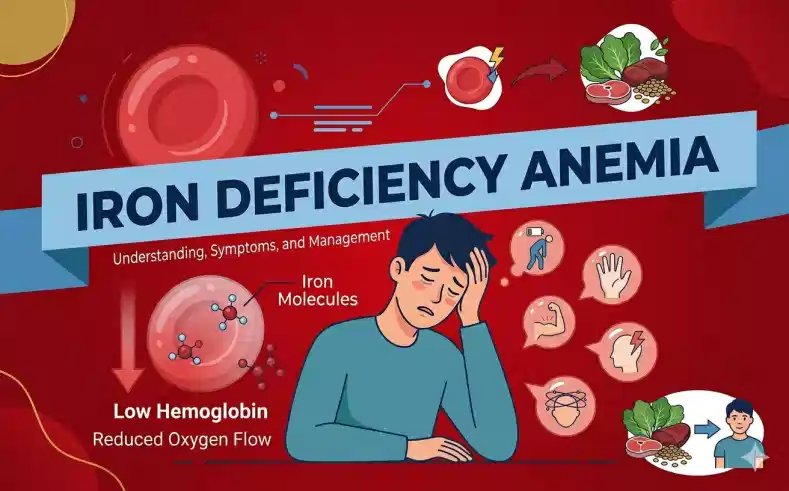
Iron deficiency anemia is the most common nutritional disorder in the world, affecting more than 1.2 billion people globally. It occurs when your body doesn’t have enough iron to produce hemoglobin, the protein in red blood cells that enables them to carry oxygen to your tissues.

Without enough iron, your body effectively runs on “low battery.” This guide explores everything you need to know about identifying, treating, and preventing this condition.

What is Iron Deficiency Anemia?

In simple terms, iron deficiency anemia is a condition where the blood lacks adequate healthy red blood cells. Iron is the primary building block for hemoglobin. If you are iron-deficient, your heart has to work harder to pump oxygen through your system, leading to the hallmark symptom of the condition: exhaustion.

The Role of Red Blood Cells

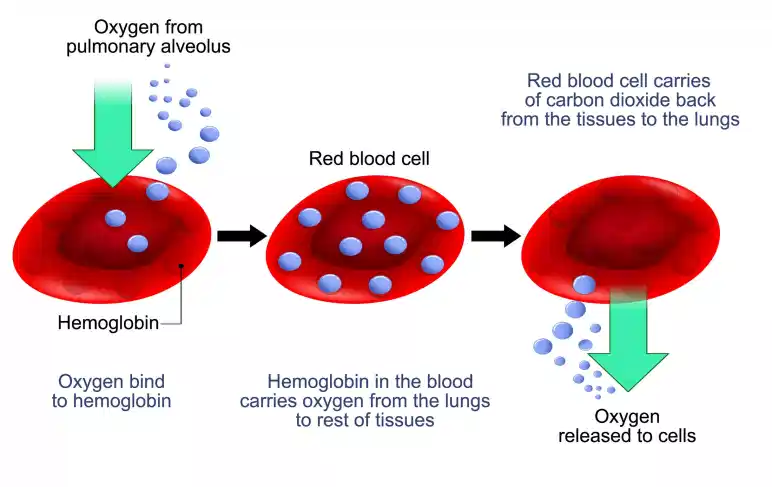
Your body uses iron to make hemoglobin. Hemoglobin gives red blood cells their color and allows them to pick up oxygen in the lungs and drop it off throughout the body. When iron levels drop, the production of these cells slows down, and the cells that are produced are often smaller and paler than normal.
Iron deficiency anemia

Common Symptoms to Watch For:

The symptoms of iron deficiency anemia can be so mild at first that they go unnoticed. However, as the body becomes more deficient, the signs intensify.

  • Extreme Fatigue: Feeling tired even after a full night’s sleep.

  • Pale Skin: A loss of healthy color in the skin, inner eyelids, or nail beds.

  • Shortness of Breath: Feeling winded doing basic tasks like climbing stairs.

  • Cold Hands and Feet: Poor circulation due to low oxygen levels.

  • Pica: Unusual cravings for non-nutritive substances like ice, dirt, or starch.

  • Brittle Nails or Swollen Tongue: Physical changes in the extremities and mouth.

Major Causes of Iron Deficiency

Understanding why you are low on iron is the first step toward a permanent fix. There are generally four main reasons:

1. Inadequate Dietary Intake

Your body regularly gets iron from the food you eat. If you consume too little iron over a long period, your body’s stores become depleted. This is common in strictly vegan or vegetarian diets if not carefully managed.

2. Blood Loss

Iron is stored within red blood cells. Therefore, if you lose blood, you lose iron.

  • Women: Heavy menstrual periods are a leading cause of anemia.

  • Internal Bleeding: Peptic ulcers, hiatal hernias, or colorectal cancer can cause slow, chronic blood loss.

3. Inability to Absorb Iron

Even if you eat enough iron, your body might not be absorbing it. Conditions like Celiac disease or surgeries like gastric bypass can interfere with the small intestine’s ability to pull nutrients from digested food.

4. Pregnancy

During pregnancy, iron stores need to serve the mother’s increased blood volume as well as provide hemoglobin for the growing fetus.

Diagnosis: How Doctors Check Your Levels

If you suspect you have anemia, a simple blood test called a Complete Blood Count (CBC) is the gold standard. Doctors look at several specific markers:

Marker What it Measures
Hemoglobin The oxygen-carrying protein level.
Hematocrit The percentage of your blood volume made of red cells.
Ferritin A protein that helps store iron in your body (shows your “backup” supply).
Serum Iron The amount of iron currently circulating in your blood.

Treatment and Diet: Boosting Your Iron

Treatment usually involves a two-pronged approach: increasing iron intake and addressing the underlying cause of blood loss or malabsorption.

Top Iron-Rich Foods

There are two types of dietary iron: Heme (from animal products) and Non-Heme (from plant sources). Heme iron is absorbed more efficiently by the body.

  • Heme Sources: Red meat (beef, lamb), poultry, and seafood.

  • Non-Heme Sources: Spinach, lentils, beans, fortified cereals, and pumpkin seeds.

Pro Tip: To maximize absorption of non-heme iron, pair it with Vitamin C. Drinking orange juice with your spinach salad can significantly increase the iron your body keeps!

Iron Supplements

If diet alone isn’t enough, your doctor may prescribe iron tablets.

  • Take on an empty stomach if possible for better absorption.

  • Avoid antacids or milk at the same time, as calcium can block iron absorption.

  • Expect side effects: Iron pills can cause constipation or dark-colored stools.

Read More:

Importance of Vitamin D Drops for Infants

When to See a Professional

Iron deficiency anemia isn’t something to self-diagnose. Taking excess iron supplements when you don’t need them can be dangerous, as iron overload can damage your liver and heart.

If you are experiencing persistent, unexplained fatigue, schedule a blood test. Most people begin to feel significantly better within a few weeks of starting treatment, though it can take several months to fully replenish your body’s iron “vaults.”

Summary Checklist for Prevention

  1. Eat a balanced diet rich in leafy greens and lean proteins.

  2. Pair iron with Vitamin C (strawberries, citrus, bell peppers).

  3. Monitor heavy cycles and discuss them with a gynecologist.

  4. Get regular checkups if you are a frequent blood donor or have digestive issues.

By staying proactive and listening to your body’s signals, you can keep your energy levels high and your blood healthy.

Frequently Asked Questions (FAQ)

1. How long does it take to recover from iron deficiency anemia?

Most people begin to feel an increase in energy levels within 2 to 4 weeks of starting iron supplementation. However, it typically takes 3 to 6 months of consistent treatment to fully replenish your body’s iron stores (ferritin levels) and prevent a relapse.

2. Can I fix iron deficiency with diet alone?

It depends on the severity. If your iron stores are significantly depleted, diet alone is often insufficient because the body can only absorb a small percentage of dietary iron at a time. In these cases, doctors usually recommend a combination of iron-rich foods and high-dose supplements to bridge the gap quickly.

3. Why does iron cause stomach upset or constipation?

Iron supplements are known to be tough on the digestive tract. They can irritate the stomach lining or alter gut bacteria, leading to nausea or constipation. To mitigate this, try taking a “gentle” iron formula (like iron bisglycinate) or taking your supplement with a small amount of food, though this may slightly reduce absorption.

4. Is it possible to have too much iron?

Yes. Unlike some vitamins that you pee out when you have an excess, iron is stored in your organs. Hemochromatosis is a condition where too much iron builds up in the body, which can damage the liver, heart, and pancreas. Never start high-dose iron therapy without a blood test confirming a deficiency.

5. Does drinking tea or coffee affect iron levels?

Yes, specifically when consumed with meals. Tea and coffee contain tannins and polyphenols that bind to iron (especially non-heme iron from plants) and prevent it from being absorbed. It is best to wait at least one hour after eating before enjoying your caffeine.

6. Can iron deficiency cause hair loss?

Yes. When your body is low on iron, it prioritizes sending oxygen to vital organs (like your heart and brain) and “borrows” iron from non-essential storage, like your hair follicles. This can lead to thinning or shedding, which usually reverses once iron levels are restored.

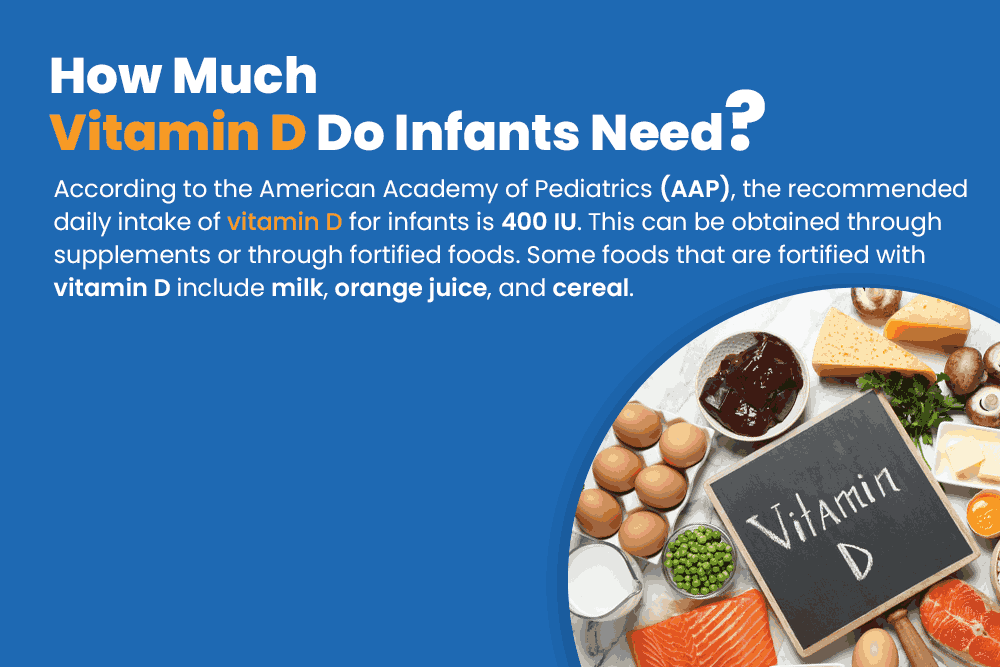
Importance of Vitamin D Drops for Infants

Vitamin D is essential for infants, especially those who are exclusively or partially breastfed. Since breast milk alone often doesn’t provide enough vitamin D, pediatricians commonly recommend vitamin D drops for infants to support healthy growth, immunity, and bone development.

What Is Vitamin D and Why Infants Need It

Vitamin D is a fat-soluble nutrient that helps the body absorb calcium and phosphorus. In infants, it:

  • Prevents rickets (soft or weak bones)
  • Supports immune system development
  • Enhances muscle function
  • Promotes overall growth

Tip: Sunlight is a natural source, but infants often get insufficient exposure.

Vitamin D Drops for Infants

Why Vitamin D Drops Matter for Babies

Vitamin D drops provide essential nutrients that might be missing from diet or sunlight. Key benefits include:

  1. Strong bone development – helps absorb calcium and phosphorus
  2. Immune system support – helps fight early infections
  3. Sunlight replacement – safe supplementation for babies with limited sun exposure
  4. Essential for breastfed babies – breast milk alone may be low in vitamin D

Recommended Dosage for Infants

Most infants need 400 IU of vitamin D daily, usually administered via drops. Always consult your pediatrician before starting supplementation.

How to Give Vitamin D Drops

  • Wash hands before handling drops
  • Place the correct number of drops inside your baby’s cheek
  • Optional: mix drops in breast milk or formula if needed

Safety Tips & Precautions

  • Use only infant-specific products
  • Store supplements safely out of reach
  • Avoid adult formulations
  • Never double the dose if missed

FAQs: Importance of Vitamin D Drops for Infants

1. Why do infants need vitamin D?

Infants need vitamin D for healthy bone growth and development. It helps the body absorb calcium and phosphorus, which are essential for strong bones and teeth. Without enough vitamin D, infants are at risk of rickets, a condition that weakens bones.

2. Can breastfed babies get enough vitamin D naturally?

Breast milk contains only small amounts of vitamin D. Most exclusively breastfed babies need vitamin D drops to meet their daily requirement, especially if they are not exposed to enough sunlight.

3. When should I start giving my baby vitamin D drops?

It is generally recommended to start vitamin D supplementation within the first few days after birth. Pediatricians usually advise a daily dose of 400 IU for healthy infants.

4. How are vitamin D drops given to infants?

Vitamin D drops are typically given orally using a dropper. You can place the drops directly into your baby’s mouth or mix them with a small amount of breast milk or formula.

5. Are vitamin D drops safe for infants?

Yes, vitamin D drops are safe when given in the recommended dosage. Overdosing should be avoided as excessive vitamin D can lead to high calcium levels and other health issues.

6. Can sunlight alone provide enough vitamin D for my baby?

Sunlight helps the body produce vitamin D, but infants’ skin is sensitive, and direct sun exposure can be harmful. It’s difficult to get enough vitamin D from sunlight alone, making supplementation important.

7. What are the signs of vitamin D deficiency in infants?

Signs may include soft or deformed bones, delayed growth, frequent infections, and in severe cases, bone pain or skeletal deformities. Regular supplementation helps prevent these issues.

8. Can vitamin D drops prevent rickets?

Yes, giving infants the recommended daily dose of vitamin D drops significantly reduces the risk of rickets and supports healthy bone and immune system development.

9. How long should infants continue taking vitamin D drops?

Most infants continue vitamin D supplementation throughout the first year of life or until they are eating sufficient foods fortified with vitamin D. Follow your pediatrician’s guidance for duration.

10. Are there any side effects of vitamin D drops?

Side effects are rare when the correct dose is used. Overdosing may cause vomiting, poor appetite, or dehydration. Always follow the recommended daily dosage.

What Are Irregular Periods? Causes, Symptoms & Treatments

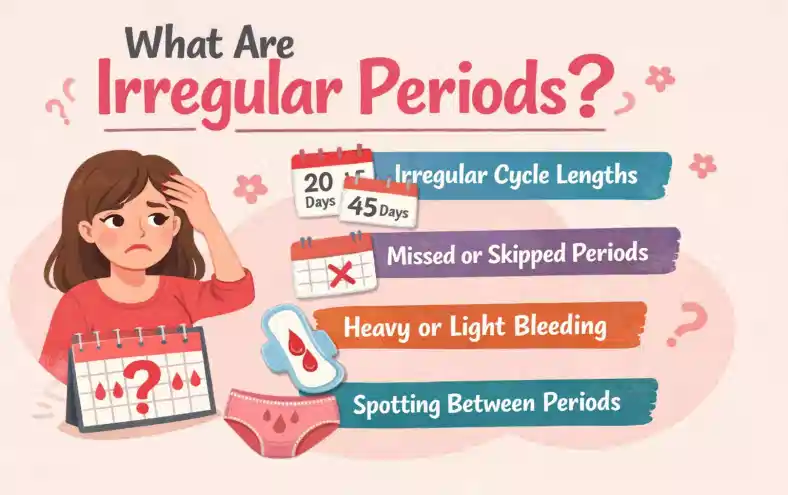
An irregular periods, also known as an irregular menstrual cycle, occurs when your monthly menstrual cycle deviates from the typical 28-day pattern. While a cycle can normally range from 21 to 35 days, cycles outside this range—or cycles that vary significantly month to month—may be considered irregular.

Understanding the causes and treatments of irregular periods is essential for maintaining reproductive and overall health.

What Are Irregular Periods?

Irregular periods refer to variations in:

  • Cycle length – Some months your period may arrive early or late.
  • Flow intensity – Periods may be unusually light or heavy.
  • Duration – Menstrual bleeding may last longer or shorter than usual.

Common Causes of Irregular Periods

  1. Hormonal Imbalances
    Hormones like estrogen and progesterone regulate the menstrual cycle. Imbalances can cause cycles to be irregular.
  2. Polycystic Ovary Syndrome (PCOS)
    A common condition that disrupts ovulation, often leading to irregular periods.
  3. Stress and Lifestyle Factors
    High stress, excessive exercise, or sudden weight changes can impact menstrual cycles.
  4. Thyroid Disorders
    Both hypothyroidism and hyperthyroidism can lead to irregular cycles.
  5. Medications
    Birth control pills, fertility drugs, or other hormonal treatments can affect cycle regularity.

irregular periods

Symptoms of Irregular Periods

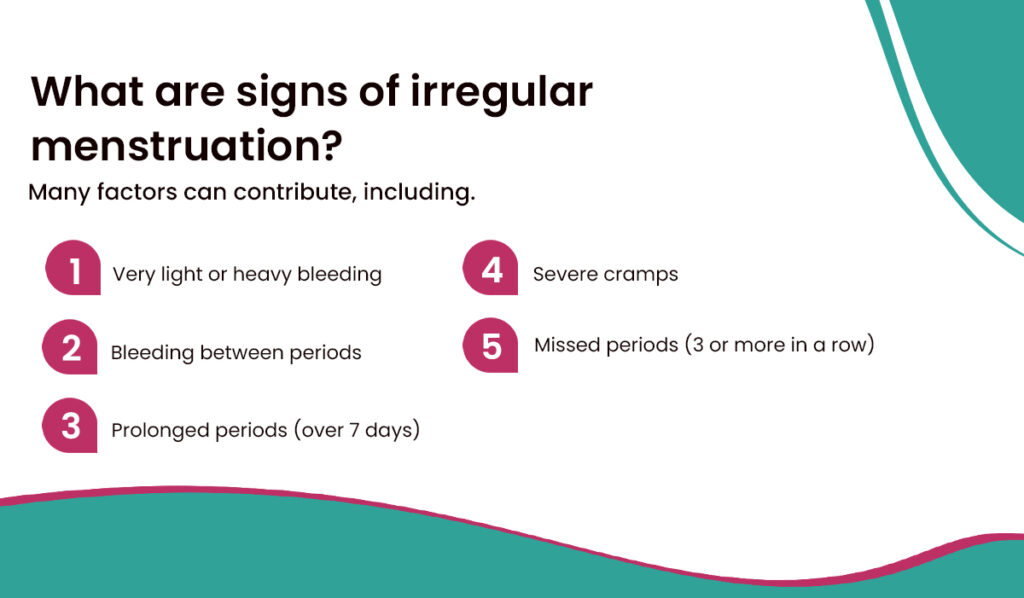
  • Missed or delayed periods
  • Spotting between periods
  • Extremely heavy or light menstrual bleeding
  • Severe cramps or abdominal pain
  • Fatigue and mood changes

When to See a Doctor

Consult a healthcare provider if you experience:

  • Cycles shorter than 21 days or longer than 35 days consistently
  • Missed periods for several months
  • Severe pain or excessive bleeding
  • Signs of underlying conditions like PCOS or thyroid problems

Treatment Options

Treatment depends on the underlying cause:

  • Lifestyle Changes: Regular exercise, balanced diet, stress management
  • Medication: Hormonal therapy, birth control pills, or thyroid medications
  • PCOS Management: Weight control, insulin therapy, and ovulation-inducing medications
  • Regular Check-ups: Monitoring cycles and hormone levels

Preventing Irregular Periods

  • Maintain a healthy weight
  • Manage stress effectively
  • Exercise moderately
  • Track your cycles using apps or a calendar
  • Avoid smoking and excessive alcohol

Frequently Asked Questions (FAQ) About Irregular Periods

1. What are irregular periods?
Irregular periods are menstrual cycles that do not follow a consistent pattern. This could mean cycles that are shorter than 21 days, longer than 35 days, skipped months, unusually heavy or light bleeding, or spotting between periods.

2. What causes irregular periods?
Common causes include:

  • Hormonal imbalances (e.g., thyroid disorders, PCOS)
  • Stress and lifestyle factors
  • Sudden weight changes or eating disorders
  • Certain medications, including birth control
  • Perimenopause or menopause
  • Chronic illnesses affecting reproductive health

3. How common are irregular periods?
Irregular periods are quite common, especially in teenagers and women approaching menopause. Many women experience occasional irregularities due to stress or lifestyle changes.

4. What are the symptoms of irregular periods?
Symptoms can vary but often include:

  • Cycles that are shorter or longer than usual
  • Missed or skipped periods
  • Very light or very heavy bleeding
  • Spotting between periods
  • Severe cramps or discomfort

5. When should I see a doctor?
Seek medical advice if you experience:

  • Bleeding lasting longer than 7 days
  • Very heavy bleeding (soaking through pads/tampons in an hour)
  • Missed periods for more than 3 months (if not pregnant)
  • Severe pain during periods
  • Sudden changes in your menstrual cycle

6. How are irregular periods diagnosed?
A doctor may recommend:

  • Physical examination and medical history
  • Blood tests to check hormones
  • Ultrasound or imaging of reproductive organs
  • Reviewing lifestyle factors and medications

7. Can irregular periods be treated?
Yes, treatment depends on the cause:

  • Hormonal therapy or birth control pills for hormonal imbalances
  • Lifestyle adjustments (diet, exercise, stress management)
  • Treating underlying medical conditions such as thyroid disorders or PCOS

8. Can irregular periods affect fertility?
In some cases, yes. Irregular cycles may make ovulation unpredictable, affecting the chances of conception. Addressing the underlying cause often improves fertility.

9. Are irregular periods dangerous?
Usually, they are not immediately dangerous, but persistent irregularities could indicate underlying health issues that need treatment, such as hormonal disorders, uterine problems, or anemia from heavy bleeding.

10. How can I track my periods to notice irregularities?

  • Use a period-tracking app or calendar
  • Note start and end dates, flow intensity, and symptoms
  • Share this information with your healthcare provider for accurate assessment

PCOS in Pakistan – Complete Guide to Symptoms, Causes & Treatment

PCOS in Pakistan

Polycystic Ovary Syndrome (PCOS in Pakistan) is a common hormonal disorder that affects a significant number of women in Pakistan. While it can feel overwhelming, understanding the condition and making sustainable lifestyle changes can help manage symptoms effectively.

PCOS In Pakistan

What is PCOS?

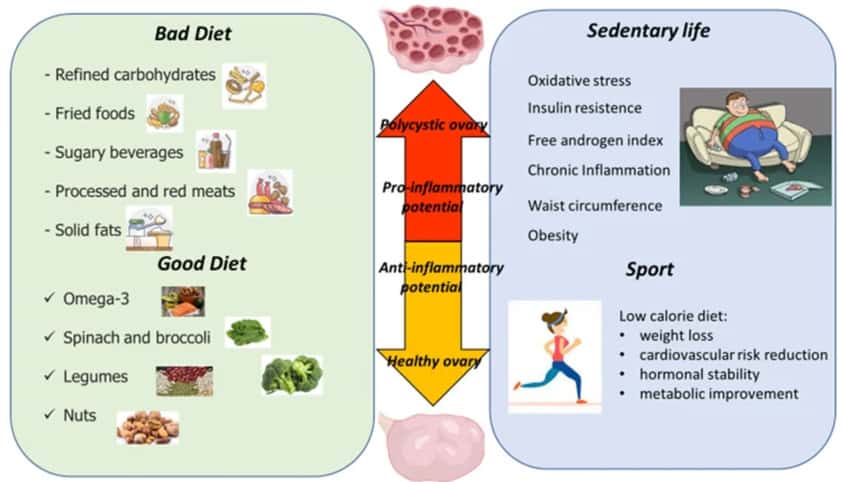
PCOS is a metabolic and reproductive disorder characterized by an imbalance of hormones. In Pakistan, sedentary lifestyles and diets high in refined carbohydrates have contributed to an increase in cases.

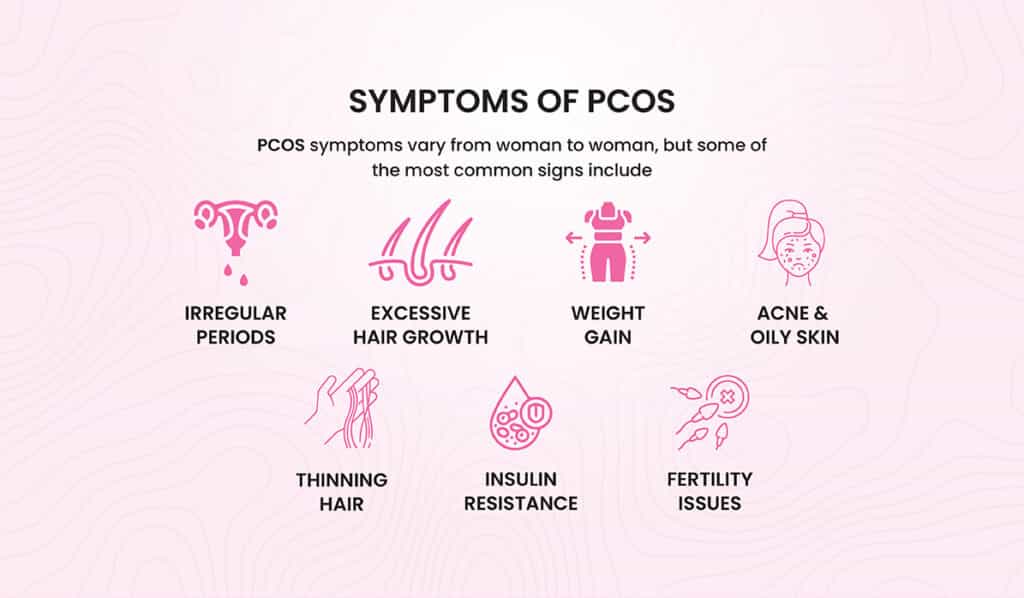
Common symptoms include:

  • Irregular menstrual cycles.

  • Excessive hair growth (hirsutism) on the face or body.

  • Persistent acne.

  • Weight gain, particularly around the abdomen.

  • Thinning hair on the scalp.

PCOS In Pakistan

Why PCOS is Increasing in Pakistan

(Image Suggestion: Urban lifestyle, junk food, stress visuals)

Several factors are contributing to the rise of PCOS:

1. Unhealthy Diet

  • High intake of processed foods and sugar
  • Low fiber and nutrient intake

2. Sedentary Lifestyle

  • Lack of physical activity
  • Increased screen time

3. Stress & Mental Health

  • Academic, social, and family pressure

4. Genetic Factors

  • Family history increases risk

Research shows PCOS prevalence globally ranges from 6–20%, but can be higher in South Asian populations

PCOS In Pakistan
Courtesy: Jonathan Fusi

Dietary Adjustments for the Pakistani Table

Managing PCOS often starts in the kitchen. In a culture where oily curries and white bread are staples, small swaps can make a big difference:

  1. Switch to Whole Grains: Replace white rice and “maida” (refined flour) roti with brown rice or “lal atta” (whole wheat flour).

  2. Incorporate Local Proteins: Daal (lentils), chickpeas (cholay), and lean meats like chicken or fish are excellent for stabilizing blood sugar.

  3. Healthy Fats: Use moderate amounts of olive oil or mustard oil instead of excessive ghee or vanaspati.

  4. Mindful Snacks: Instead of samosas or biscuits, reach for a handful of walnuts or almonds.

Exercise and Lifestyle

Physical activity is crucial for improving insulin sensitivity. Given the local climate and urban environment, you might consider:

  • Morning or Evening Brisk Walks: Aim for 30 minutes in a local park.

  • Yoga at Home: There are many online resources tailored for PCOS that focus on hormonal balance.

  • Consistent Sleep: Aim for 7-8 hours of restful sleep to help regulate cortisol levels.

Seeking Professional Help

It is important to consult a healthcare professional for an accurate diagnosis and personalized treatment plan. In Pakistan, gynecologists and endocrinologists can provide guidance on medication or supplements that may be necessary alongside lifestyle changes.

Managing PCOS is a journey, not a sprint. By focusing on nourishing foods and consistent movement, many women successfully manage their symptoms and lead healthy, vibrant lives.

FAQs About PCOS in Pakistan

1. What is PCOS meaning in Urdu?

PCOS کو اردو میں پولی سسٹک اووری سنڈروم کہا جاتا ہے، جو خواتین میں ہارمونی عدم توازن اور بانجھ پن کا سبب بن سکتا ہے۔

2. What causes PCOS?

PCOS can be caused by a combination of:

  • Hormonal imbalance
  • Insulin resistance
  • Genetic factors
  • Unhealthy lifestyle (poor diet, lack of exercise, stress)

3. Can PCOS be cured?

There is no permanent cure for PCOS. However, it can be effectively managed with lifestyle changes, proper diet, and medical treatment.

4. How is PCOS treated in Pakistan?

Treatment options include:

  • Healthy lifestyle changes
  • Hormonal medications
  • Insulin-regulating medicines (like metformin)
  • Fertility treatments (if needed)

5. What diet is best for PCOS?

A healthy PCOS diet includes:

  • Low sugar foods
  • High fiber (vegetables, whole grains)
  • Lean protein (chicken, fish, eggs)
  • Healthy fats (nuts, olive oil)

Avoid processed foods and sugary drinks.

6. Is PCOS common in Pakistan?

Yes, PCOS is very common in Pakistan and is becoming more widespread due to lifestyle changes, stress, and lack of awareness.

Top Five Most Effective Diarrhea Remedies

Diarrhea, commonly referred to as “loose motions” in Pakistan, is a frequent health concern, especially during the summer months and monsoon season. While it is often the body’s way of flushing out toxins or infection, the resulting dehydration can become dangerous if not managed properly.

In the Pakistani context, where dietary habits and environmental factors play a huge role, a combination of medical science and traditional wisdom offers the best relief. Here are the top five most effective diarrhea remedies in Pakistan.

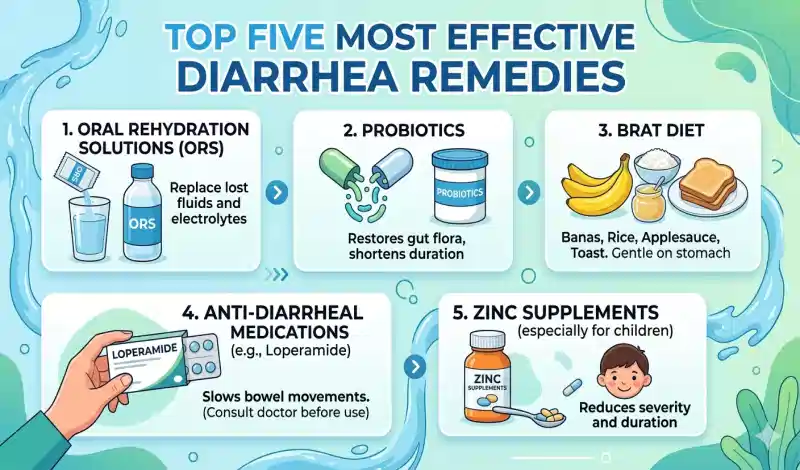
1. Oral Rehydration Salts (ORS)

The single most important remedy for diarrhea in Pakistan is Oral Rehydration Salts (ORS). Diarrhea doesn’t just cause a loss of water; it strips the body of vital salts like sodium, potassium, and chloride.

  • How it Works: ORS is a precise mixture of sugar and salts that helps the intestines absorb water more efficiently.

  • Popular Brands in Pakistan: You can find brands like Peditral, Rehydramin, and Osmolar at almost any local pharmacy. They come in flavors like orange, lemon, and banana to make them easier for children to drink.

  • Preparation: Mix one sachet into the exact amount of water specified on the pack (usually 250ml or 1 liter). Always use boiled and cooled water or mineral water to ensure safety.

Note: Do not add extra sugar or salt to the mixture, as this can worsen the diarrhea.

2. Homemade Yogurt and Lassi (Probiotics)

In Pakistan, Dahi (Yogurt) is a staple and a powerful natural remedy. It is packed with “good bacteria” known as probiotics, which help restore the natural balance of the gut.

  • How it Works: The live cultures in yogurt (like Lactobacillus) help fight off the harmful bacteria causing the infection. It also helps in thickening the stool.

  • Method of Use: * Plain Dahi: Eat a small bowl of plain, unsweetened yogurt twice a day.

    • Namkeen Lassi: A thin, salted yogurt drink (Lassi) is excellent for both hydration and probiotic intake.

    • Yogurt with Ispaghol: Many Pakistanis mix a tablespoon of Ispaghol (Psyllium husk) into yogurt. This combination is highly effective as the husk absorbs excess water in the gut while the yogurt provides probiotics.

3. The B.R.A.T Diet

When your stomach is upset, it needs rest. The B.R.A.T diet consists of low-fiber, bland foods that are easy for the Pakistani digestive system to process.

  • B – Bananas: Rich in potassium, which is lost during diarrhea. They also contain pectin, a soluble fiber that helps solidify stools.

  • R – Rice (Khichdi): Soft-boiled white rice or “Khichdi” (rice and moong dal) is the go-to meal in Pakistani households. It provides energy without irritating the bowels.

  • A – Applesauce: Stewed or peeled apples are easier to digest than raw ones and provide necessary nutrients.

  • T – Toast: Plain white toast (without butter) provides simple carbohydrates for energy.

4. Ginger and Fennel (Saunf) Tea

Traditional Pakistani medicine often turns to the kitchen spice rack for relief. Ginger and Fennel (Saunf) are two of the most effective herbal remedies for “Peit Dard” (stomach ache) and loose motions.

  • Ginger: It has anti-inflammatory and antibacterial properties. Drinking ginger water or chewing a small piece of ginger can reduce intestinal spasms and gas.

  • Fennel (Saunf): Fennel seeds are known for their “Thanda” (cooling) effect. They help relax the muscles in the digestive tract.

  • Remedy: Boil a teaspoon of fennel seeds and a small slice of ginger in two cups of water. Strain it and sip slowly throughout the day. This is particularly helpful if the diarrhea is accompanied by cramps.

5. Over-the-Counter Medications (Loperamide & Racecadotril)

If natural remedies and hydration aren’t enough to slow down the frequency, certain over-the-counter (OTC) medications available in Pakistan can help.

  • Loperamide (Imodium): This is the most common anti-diarrheal medicine. It works by slowing down the movement of the gut, allowing the body to absorb more fluid.

  • Racecadotril (Enuff/Hidrasec): This is an “anti-secretory” medicine often used in Pakistan for both adults and children. It reduces the amount of water and electrolytes that the intestines release into the stool.

  • Saccharomyces boulardii (Florant/Enflor): This is a medicinal probiotic often prescribed by Pakistani doctors to stop diarrhea caused by antibiotics or infections.

Comparison Table of Remedies

Remedy Best For Availability
ORS Preventing Dehydration Pharmacies & General Stores
Yogurt (Dahi) Restoring Gut Bacteria Every Household/Milk Shops
Khichdi Providing Gentle Energy Homemade
Ginger Tea Relieving Stomach Cramps Kitchen/Grocery Stores
Loperamide Stopping Frequent Bowel Movements Pharmacies

Important Safety Tips for Pakistanis

  • Avoid Tap Water: Always use boiled or filtered water, especially during a diarrhea outbreak.

  • Wash Hands: Ensure hands are washed with soap before eating or preparing food.

  • When to See a Doctor: If you see blood in the stool, have a high fever, or if the diarrhea lasts more than 48 hours, visit a clinic immediately. In Pakistan, dehydration in infants can escalate quickly, so consult a pediatrician at the first sign of lethargy or sunken eyes.

By combining the hydration power of ORS with the soothing nature of Dahi and Khichdi, most cases of diarrhea can be managed safely at home.

Add to cart